
Several years ago, I stumbled upon a practice that was entirely new to me - Yoga Nidra.
At the time, I had no idea about the many benefits of this unique form of yoga.
My initial curiosity led me to give it a try, not because I fully understood it, but simply because it piqued my interest. That’s just how I am - I love to dive in and explore, then delve deeper into learning about it afterward.
But maybe you’re different, and that’s perfectly okay! If you’re someone who prefers to understand the “why” and “how” before diving in, this post is for you.
What is Yoga Nidra?
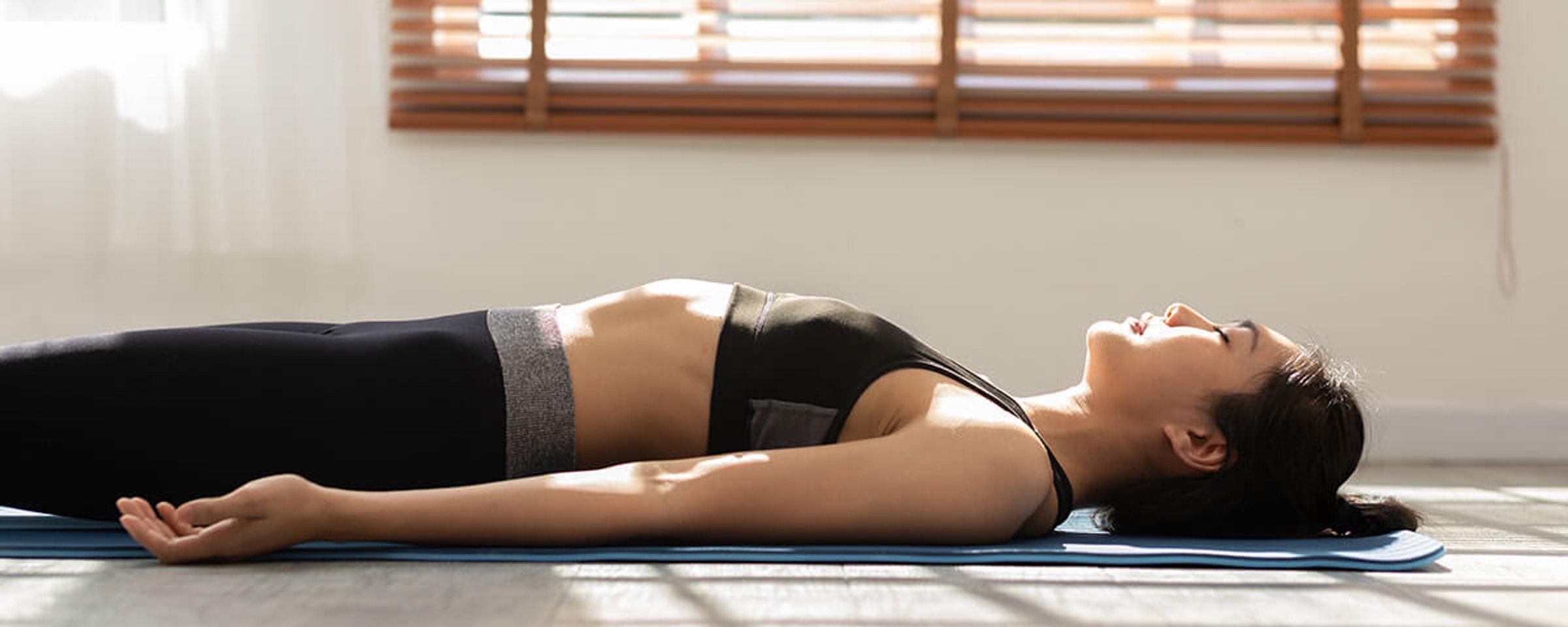
Yoga Nidra, often called “yogic sleep,” is a deeply restorative practice that guides you into a state of conscious relaxation between wakefulness and sleep.
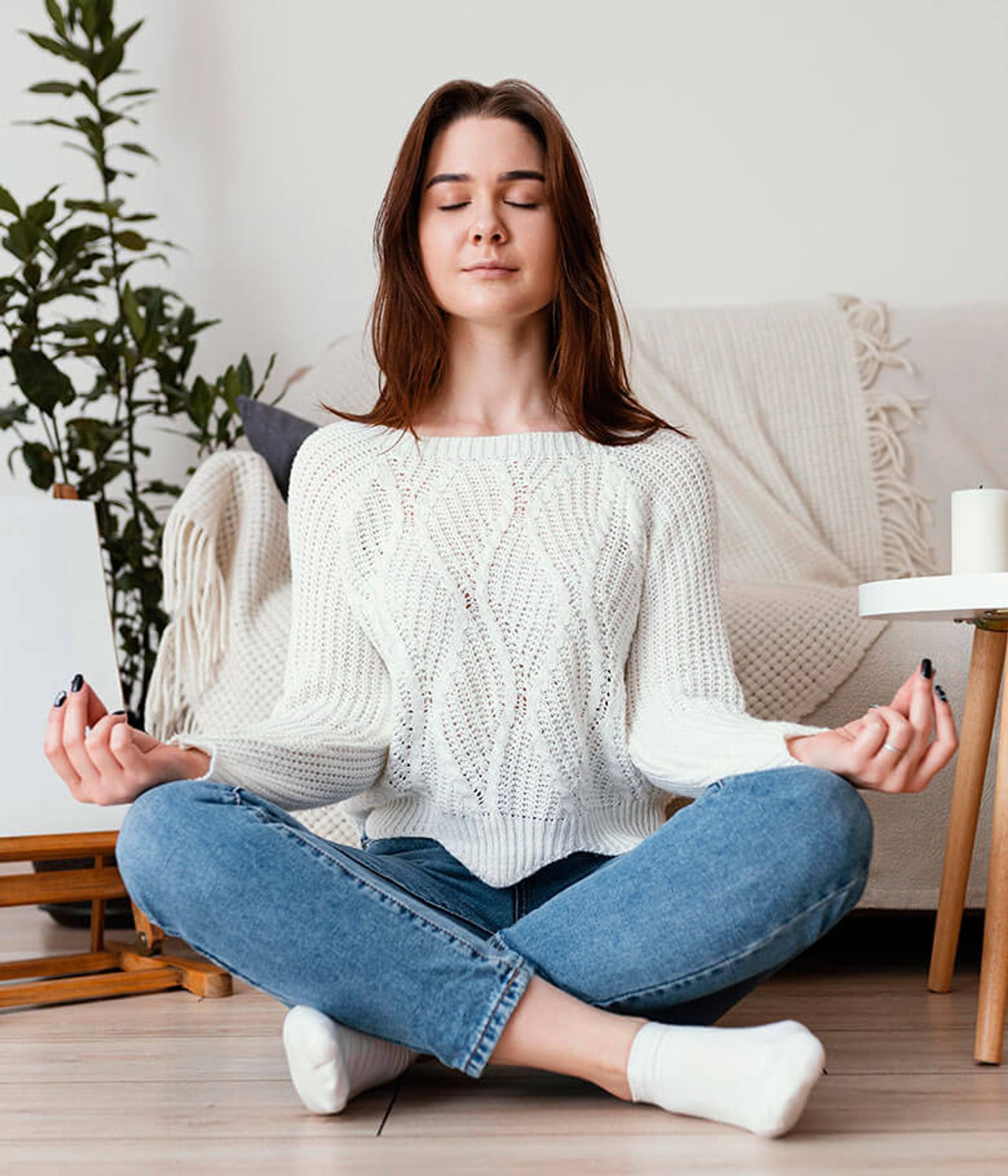
Unlike traditional yoga, which involves physical poses, Yoga Nidra is all about lying down comfortably, closing your eyes, and being gently guided through a series of steps designed to calm your nervous system and bring you into a profound state of rest.
My Experience with Yoga Nidra
My first experience with Yoga Nidra was transformative, though not in the way I initially expected. There were no dramatic moments or instant revelations. Instead, it was a subtle unfolding - a gradual sense of ease that started to ripple through my everyday life.
I noticed I was less reactive, slept better, and felt more connected to myself. Over time, Yoga Nidra became a staple in my self-care routine, offering a gentle escape from the busyness of life.
The Benefits of Yoga Nidra
So, what can you expect from practicing Yoga Nidra? Each session offers a unique experience, but some of the common benefits include:
- Deep Relaxation: Helps release tension and stress from the body and mind, allowing you to relax at a level that's often hard to achieve in everyday life.
- Improved Sleep Quality: Regular practice can help improve sleep patterns, making it easier to fall asleep and stay asleep.
- Increased Mindfulness and Clarity: Yoga Nidra can enhance focus, reduce anxiety, and improve overall mental clarity.
- Emotional Healing: This practice often brings up emotions and thoughts, giving you a safe space to process and release them.
- Enhanced Creativity and Problem-Solving: By quieting the mind, Yoga Nidra can unlock creativity and provide new perspectives on challenges.
Questions and Answers
What is Yoga Nidra?
Do I need any prior experience in yoga to practise Yoga Nidra?
What should I expect during a Yoga Nidra session?
How long is a typical Yoga Nidra session?
What are the benefits of practising Yoga Nidra?
How often should I practise Yoga Nidra?
Can Yoga Nidra help with insomnia and sleep issues?
Is it normal to fall asleep during Yoga Nidra?
What do I need for a Yoga Nidra session?
You’ll need a comfortable place to lie down, like a yoga mat, bed, or sofa. A blanket, pillow, or eye mask can help you get cosy. For online sessions, it’s recommended to use headphones to fully immerse in the experience.
Thank you all for your continuous support. I am grateful to be part of such a wonderful community and excited to share more of my journey with you.